IndiGo’s Meme Crisis: A Case Study in Viral Brand Sentiment & Crisis Management
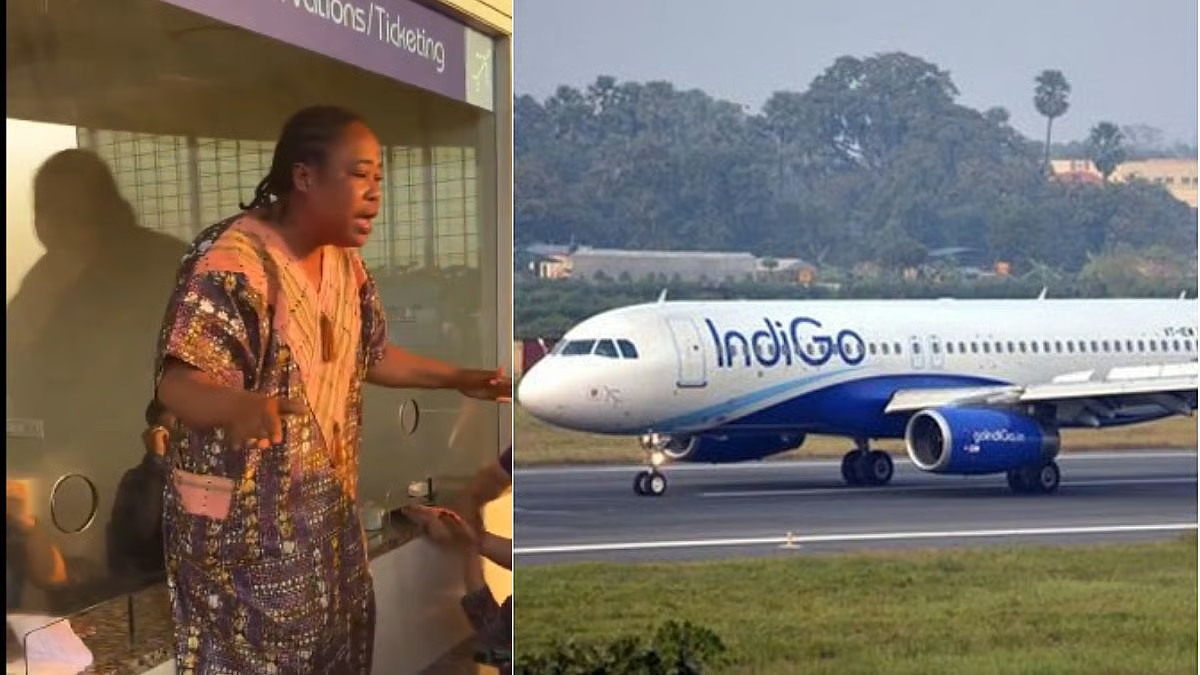
In the age of social media, a brand crisis doesn't just play out in the newsrooms—it explodes on Instagram Reels and Twitter threads. The recent IndiGo Airlines drama is a textbook example of how quickly "real-world" operational issues can mutate into a viral meme phenomenon, impacting brand sentiment almost instantly.
For marketers and brand managers, this incident offers crucial lessons in Crisis Management, Social Listening, and the uncontrollable nature of User Generated Content (UGC).
📉 The Anatomy of the Viral Spike
What started as isolated reports of passenger dissatisfaction quickly snowballed into a trending topic. But unlike traditional PR crises managed via press releases, this one was fueled by relatable humor.
Key Viral Triggers:
- Visual Proof: Raw, unfiltered clips from passengers (the ultimate UGC) provided "receipts" that official statements couldn't refute.
- The "Relatability" Factor: Travel stress is a universal pain point. Creators didn't just report the news; they turned it into "POV: You're flying IndiGo" sketches, maximizing shareability.
- Meme Templates: The specific visuals of the airline cabin became a blank canvas for meme pages.
🧠 Marketing Insight: The "Meme-ification" of Crisis
When a brand crisis hits the meme cycle, it enters a dangerous new phase. Why? Because memes are sticky. A news article is read once; a funny Reel is watched, saved, and shared to Group Chats.
Creator Analysis: Influencers like [Creator Name] and meme pages with millions of followers jumped on the trend not necessarily to attack the brand, but because the engagement metrics for the topic were soaring.
- Lesson: In 2025, your PR strategy must account for "Algo-driven" piling on. When a topic trends, the algorithm rewards anyone who posts about it, incentivizing more negative coverage.
📊 Impact on Brand Sentiment
Using Social Listening tools (like the ones available on Speeedy.ai's enterprise dashboard), we observed a massive spike in mentions.
- Sentiment Shift: Moved from "Neutral/Informational" to "Negative/Satirical" within 48 hours.
- Volume: 300% increase in brand mentions, but 80% were in the context of jokes or complaints.
💡 Takeaways for Brand Managers
How do you handle a "Meme Crisis"?
- Monitor the "Joke" Economy: Don't just watch the news. Watch meme pages. They often signal a sentiment shift hours before mainstream media.
- Humanize the Response: Corporate speak ("We regret the inconvenience") often fuels the fire. A more human, empathetic approach can sometimes de-escalate viral tension.
- Wait it Out vs. Clap Back: In most cases like this, engaging with memes backfires (The "Streisand Effect"). The best strategy is often to fix the core operational issue quietly while letting the viral cycle exhaust itself.
🚀 Discover Crisis Management Experts on Speeedy
Want to find creators who specialize in PR analysis, or avoid partnering with creators who might be "brand unsafe"? Use Speeedy.ai's advanced discovery filters to analyze creator content history and sentiment before you collaborate.
© 2024 Your Company. All rights reserved.